


You’ve just finished lunch at your favourite hawker centre, feeling satisfied as you clear your plate. But an hour later, that familiar gnawing sensation returns. Your stomach is rumbling again, and you’re already thinking about your next meal.
If you’re trying to lose weight, this cycle feels incredibly frustrating. You’re not alone in this struggle, and more importantly, you’re not lacking willpower. There are genuine biological, lifestyle, and other reasons on why you might feel hungry even after eating. Understanding these can be the key to finally achieving your weight loss goals.
Biological Mechanisms of Hunger and Satiety
Your body has an intricate system for managing hunger and fullness. When you eat, your stomach sends signals to your brain through hormones like leptin (which tells you you’re full) and ghrelin (which triggers hunger). Your stomach also has stretch receptors that detect when it’s physically full.
Under normal circumstances, this system works beautifully. But modern lifestyle, food choices, and individual health factors can disrupt these signals, leaving you hungry even when you’ve consumed adequate calories.
Your Meal Composition Matters Most
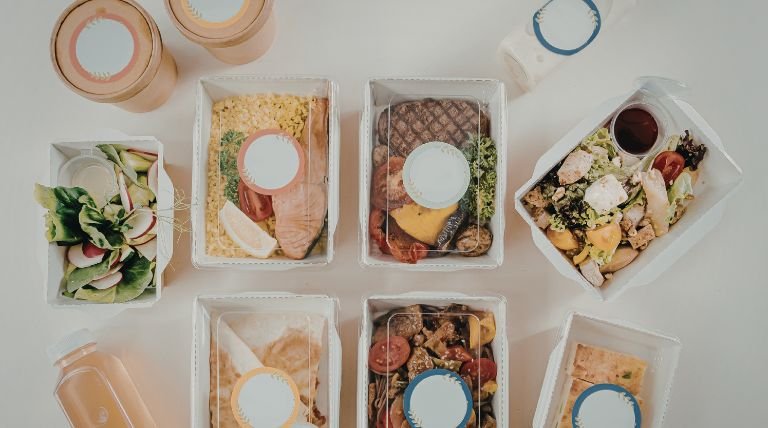
What’s on your plate plays the biggest role in whether you’ll feel satisfied after eating. Not all foods are created equal.
Two meals can have the same or similar calories, but one leaves you full and satisfied—while the other has you reaching for snacks shortly after.
Protein
When you consume protein, your body releases powerful satiety hormones, such as GLP-1 and CCK, that signal fullness to your brain. These hormones work for hours, not just minutes.
Consider incorporating more protein-rich foods that are readily available in Singapore: fresh fish from the wet market, the chicken portion of your chicken rice (you can ask for extra chicken and less rice), more tofu in your laksa, eggs in your breakfast, or even blueberries with Greek yoghurt as a snack.
The goal isn’t to drastically change your diet overnight, but to ensure each meal contains a substantial protein component. If you’re having economy rice, make sure to include at least one protein-rich food. If you’re going for roti prata, consider adding an egg.
Fiber
Fiber works like a natural appetite suppressant. It slows down digestion, keeping food in your stomach longer, and when it reaches your intestines, it triggers the release of hormones that tell your brain you’re full.
Singapore offers an abundance of fiber-rich options: the kangkung in your zi char meal, the vegetables in your yong fau foo, fruits like guava and dragon fruit, and switching from white rice to brown rice when possible. Even small changes like choosing or increasing the quantity of a vegetable dish for your cai png, can make a significant difference.
Healthy Fats
While it might seem counterintuitive when you’re trying to lose weight, healthy fats actually help you feel fuller for longer. They slow stomach emptying and trigger the release of hormones that signal satiety.
You don’t need to add much — a small handful of nuts, some avocado in your salad, or using a touch of olive oil in your cooking can be enough. The key is choosing the right types of fats, not eliminating them entirely.
The Trap: Refined Carbs
Here is where many people get caught. Foods high in refined carbohydrates and sugar cause your blood sugar to spike quickly, then crash just as fast. This rollercoaster effect triggers hunger signals even though you’ve recently eaten.
Common culprits include white rice, white bread, sugary drinks, and highly processed snacks. This doesn’t mean you need to eliminate these foods entirely, but being aware of their effects can help you make more informed choices.
Consider having smaller portions of white rice and filling up more on protein and vegetables in your meal.
Hormonal and Blood Sugar Factors
Leptin Resistance
Leptin is the “fullness hormone,” but sometimes your brain stops responding to it properly. This condition, called leptin resistance, is more common in people carrying excess weight and can make you feel hungry even after eating adequate amounts.
The good news is that leptin sensitivity can be improved through regular physical activity, reducing sugar intake, increasing fiber consumption, and getting quality sleep at night. Small, consistent changes in these areas can help restore your body’s natural hunger cues.
Blood Sugar Fluctuations
Fluctuations in blood sugar, such as hypoglycemia or low blood sugar, can trigger feelings of hunger because the brain relies on a steady supply of glucose for its energy needs. And when levels drop, it sends signals to increase food intake.
Conversely, hyperglycemia or high blood sugar can also cause increased hunger. When the body doesn’t produce enough insulin or cannot use it effectively, glucose cannot enter the cells. As a result, the cells are deprived of energy, and the body may respond by signaling hunger in an attempt to get more fuel.
Lifestyle, Behavioural, and Environmental Factors

Sleep Deprivation
Singapore’s demanding work culture often comes at the cost of adequate sleep. When you’re sleep-deprived, your body produces more ghrelin (the hunger hormone) and less leptin (the fullness hormone).
This hormonal imbalance can make you feel hungrier than usual and less satisfied after eating, often leading to frequent cravings, especially for high-calorie foods.
Prioritising 7-9 hours of quality sleep isn’t just good for your energy levels — it’s crucial for managing your appetite and supporting your weight loss goals.
Stress and Cortisol
The fast-paced lifestyle many Singaporeans lead can trigger chronic stress, which elevates cortisol levels. High cortisol doesn’t just make you feel hungry, it specifically increases cravings for high-calorie, high-fat foods.
If you find yourself reaching for comfort foods during stressful periods, you’re experiencing a normal biological response. Managing stress through regular exercise, meditation, or even short walks during lunch breaks can help regulate these hormones.
Dehydration in Tropical Climate
The tropical climate in Singapore means you’re constantly losing fluid through sweat. Mild dehydration can be mistaken for hunger, so you may eat more frequently when your body actually needs water.
Eating Behaviours That Sabotage Fullness

Eating Too Fast
The lunch hour rush is real in Singapore. Whether you’re grabbing a quick bite between meetings or rushing through your meal break, eating too quickly prevents your brain from registering fullness. It takes about 20 minutes for your brain to receive the signal that you’re satisfied.
Try to slow down your eating pace, even if you’re pressed for time. Put your utensils down between bites, chew more thoroughly, and try to be present during your meal rather than multitasking.
Distracted Eating
Eating while scrolling through your phone, watching TV, or working at your desk disrupts the connection between your brain and stomach. When you’re distracted, you’re less likely to notice your body’s fullness cues, leading to overeating and continued hunger shortly after.
Make an effort to eat mindfully, even if it’s just for a few minutes. Focus on the flavours, textures, and satisfaction your food provides. This practice can help you recognise when you’re truly full.
Meal Timing and Frequency
Skipping meals or going too long between eating can disrupt your hunger hormones and lead to overeating later. If you find yourself ravenous by dinner time, you’re more likely to eat quickly and struggle to recognise fullness cues.
Consider having balanced meals at regular intervals throughout the day. This doesn’t necessarily mean eating more—it means distributing your food intake more evenly to maintain stable blood sugar and hormone levels.
Underlying Medical Conditions
When Hunger Might Signal Health Issues
Some medical conditions and medications can be responsible for why you’re feeling hungry shortly after a meal. For example, diabetes, thyroid disorders, and medications like corticosteroids can all affect your appetite regulation.
If you have made dietary and lifestyle changes but still experience constant hunger, excessive thirst, unexplained weight changes, or fatigue, it’s important to consult with a healthcare provider. Early intervention can prevent more serious health complications.
Some Practical Solutions and Healthy Habits
Smart Food Choices
A satisfying meal doesn’t have to be huge; it needs to be balanced. Aim for each meal to contain a protein source, fibre, some healthy fats, and a moderate amount of complex carbohydrates.
When eating at hawker centres or food courts. Consider swapping out sugary drinks for water or unsweetened tea, opt for dishes with plenty of vegetables, and consider sharing starchy sides like rice or noodles.
You can have fish with kangkung and a small portion of brown rice, or a bowl of laksa with extra veggies and tofu. The key is to ensure that each component is present, rather than focusing on any single food group.
Hydration
Drink water regularly throughout the day, not just when you feel thirsty. If plain water feels boring, try adding slices of cucumber, lemon, or mint for flavour.
Consider having a glass of water before meals or snacks to help you distinguish between hunger and thirst.
Moving Forward
Identifying the reasons behind post-meal hunger is key to improving your eating habits, food choices, and reaching your weight loss goals.
While many people search for ways on how to lose weight fast, understanding and addressing your hunger patterns is what creates lasting results that won’t leave you feeling deprived or constantly battling cravings.
Small yet consistent adjustments usually yield better and longer-lasting results. Most importantly, be patient with yourself. Your body’s hunger and fullness cues may have been disrupted for months or years, and it takes time to restore them.
With consistency and the right approach, you can regain control over your appetite and move closer to your goal weight.